Get Drainage Pump Installation
Drainage pump installation services help property owners solve water drainage problems by installing pumps for basements, crawl spaces, yards, or drainage systems.
Property owners in the area who are planning drainage improvements often consider installing drainage pumps to manage excess water and prevent flooding. Properly installed drainage pumps can be essential for protecting foundations, landscaping, and outdoor structures, especially in regions prone to heavy rainfall or poor drainage conditions. Exploring local contractor options ensures access to experienced service providers who understand the specific needs of properties in the community.
By comparing local contractors specializing in drainage pump installation, property owners can find solutions tailored to their property's requirements. Whether upgrading existing drainage systems or installing new equipment, working with qualified service providers helps ensure the work is done effectively and reliably. Continuing to explore your options can lead to the right fit for your property’s drainage needs.
- Basement drainage issues - when water accumulation causes flooding or dampness in below-ground spaces.
- Stormwater management - during heavy rains when efficient removal of excess surface water is needed.
- Sewage pump installation - in cases of wastewater backup or to improve sewage system flow.
- Flood prevention systems - when properties are at risk of flooding due to poor drainage design.
- Remodeling or new construction - requiring the integration of drainage pumps to manage water flow effectively.
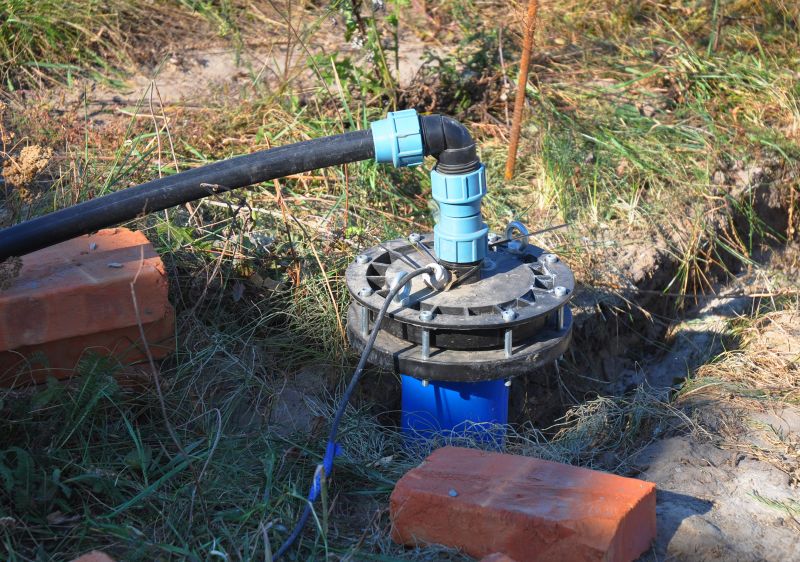
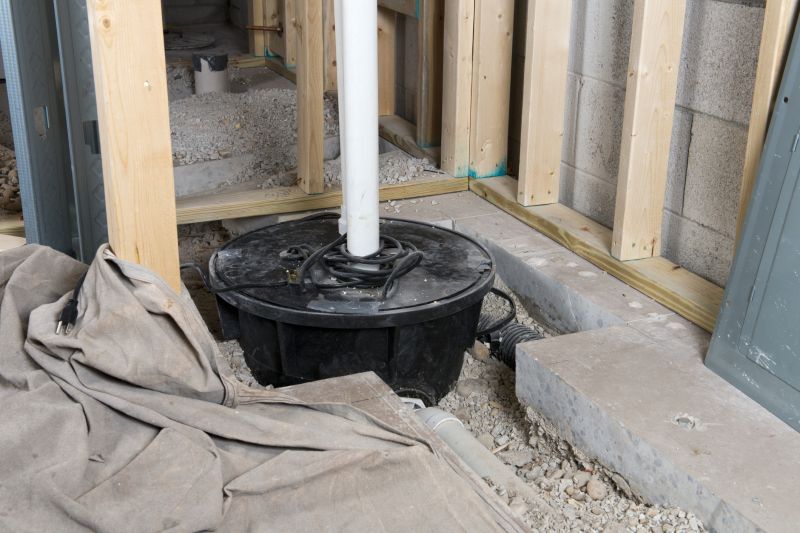
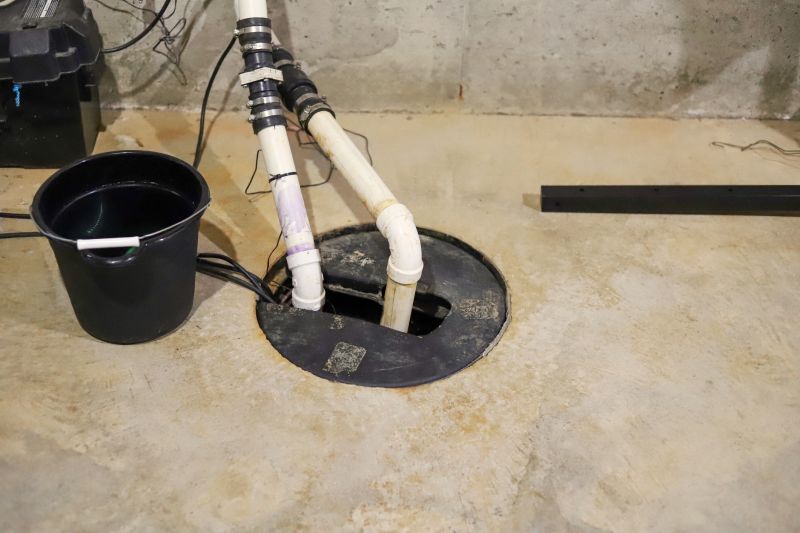
Drainage pump installation services involve setting up specialized pumps designed to move excess water away from properties. These systems are typically installed in areas prone to water accumulation, such as basements, crawl spaces, or yards. The process includes assessing the property’s drainage needs, selecting the appropriate pump type, and ensuring proper placement and connection to existing plumbing or drainage systems. Experienced contractors focus on making sure the pump operates efficiently and reliably to prevent water buildup and protect the property’s foundation and structure.
This service is essential for addressing common problems caused by poor drainage, such as flooding, water damage, and mold growth. When heavy rains or melting snow lead to water pooling around a property, drainage pumps can help remove the excess water quickly and effectively. They are also useful in situations where natural drainage is inadequate or blocked, such as after landscaping changes or construction projects. Proper installation ensures that water is directed away from the property, reducing the risk of long-term damage and costly repairs.
Properties that typically benefit from drainage pump installation include residential homes, especially those with basements or lower levels that are susceptible to flooding. Commercial buildings, such as warehouses or retail spaces located in flood-prone areas, also often rely on these systems to keep their premises dry. Additionally, properties with outdoor areas that experience frequent pooling of water or poor natural drainage may find drainage pumps to be a practical solution. Local service providers can evaluate the specific needs of each property and recommend the right type of pump to address those challenges.
Overall, drainage pump installation is a practical service for property owners seeking to manage excess water and prevent water-related problems. Whether dealing with persistent flooding issues or preparing for seasonal storms, many types of properties can benefit from having a reliable drainage system in place. Connecting with experienced local contractors ensures that the installation is tailored to the property’s unique conditions and drainage requirements. This service helps safeguard the property’s foundation, reduce water damage risks, and maintain a dry, safe environment.
The overview below groups typical Drainage Pump Installation projects into broad ranges so you can see how smaller, mid-sized, and larger jobs often compare in your area.
In many markets, a large share of routine jobs stays in the lower and middle ranges, while only a smaller percentage of projects moves into the highest bands when the work is more complex or site conditions are harder than average.
Smaller Repairs - typical costs range from $250 to $600 for routine drainage pump repairs or minor replacements. Many common service calls fall within this middle range, making them the most frequent type of project handled by local contractors.
Standard Installations - installing a new drainage pump usually costs between $1,000 and $3,000. These projects often involve replacing outdated equipment or adding pumps to existing systems, with larger or more complex setups reaching higher costs.
Full System Replacement - complete drainage pump system replacements can range from $3,500 to $7,000 or more. Larger, more complex projects, such as upgrading multiple pumps or extensive piping, tend to push costs into this higher tier.
Specialized or Commercial Projects - large-scale or custom drainage solutions for commercial properties can start at $10,000 and may exceed $20,000 depending on the scope. These projects are less common but involve significant planning and installation work handled by experienced local contractors.
Actual totals will depend on details like access to the work area, the scope of the project, and the materials selected, so use these as general starting points rather than exact figures.
Basement Waterproofing Projects - these projects involve planning and installing systems to prevent water intrusion, similar to drainage pump installation in managing water flow and preventing flooding.
Sump Pump Installation - installing sump pumps requires knowledge of drainage systems and water management, making it closely related to drainage pump setup and maintenance.
Stormwater Management Systems - designing and implementing systems to control runoff involves similar skills in planning, piping, and pump installation as drainage pump services.
Septic System Installation - involves excavation and underground piping work, requiring planning and technical skills comparable to those used in drainage pump projects.
Flood Barrier and Drainage System Setup - these projects focus on water diversion and containment, aligning with the expertise needed for drainage pump installation.
Water Feature and Fountain Installation - setting up water features involves plumbing, pump installation, and system planning, similar to drainage pump services.
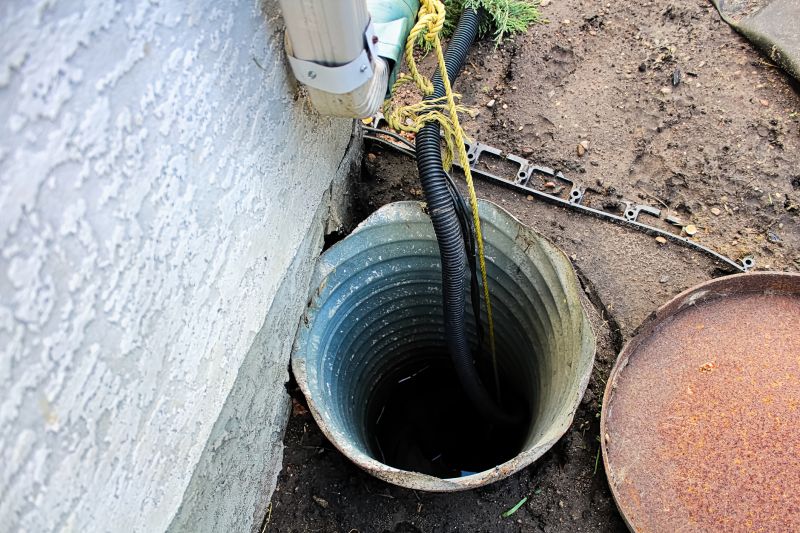
When evaluating potential service providers for drain pump installation, it is important to consider their experience with similar projects. Homeowners should inquire about the types of drainage systems the contractors have worked on and whether they have handled installations in properties comparable to their own. An experienced local contractor will typically have a clearer understanding of common challenges and best practices, which can contribute to a smoother installation process and a more reliable system.
Clear, written expectations are essential to ensure that both parties share a common understanding of the scope of work. Homeowners should seek detailed descriptions of what the installation includes, any materials that will be used, and what the process will entail. Having this information documented helps prevent misunderstandings and provides a reference throughout the project, making it easier to address any questions or concerns that may arise.
Reputable references and good communication are key factors when choosing a drainage pump installation service provider. Homeowners can ask potential contractors for references from previous clients to gain insight into their work quality and professionalism. Additionally, effective communication-such as prompt responses, clarity in explanations, and openness to questions-can significantly influence the overall experience. It’s important to partner with local service providers who are transparent and attentive, as they are more likely to deliver a positive and efficient installation process.
Property owners use Drainage Pump Installation services for practical projects around their homes and businesses. This guide focuses on everyday jobs and straightforward project options.
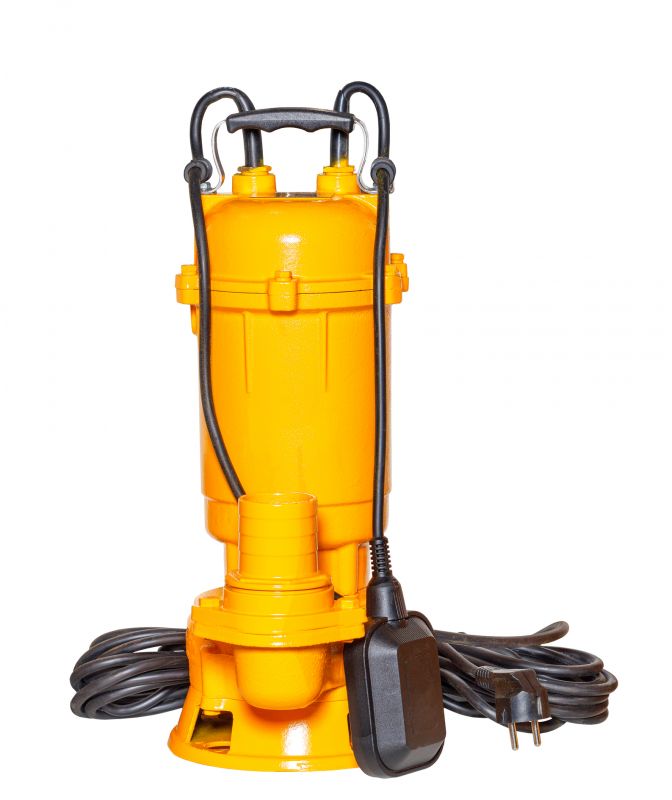
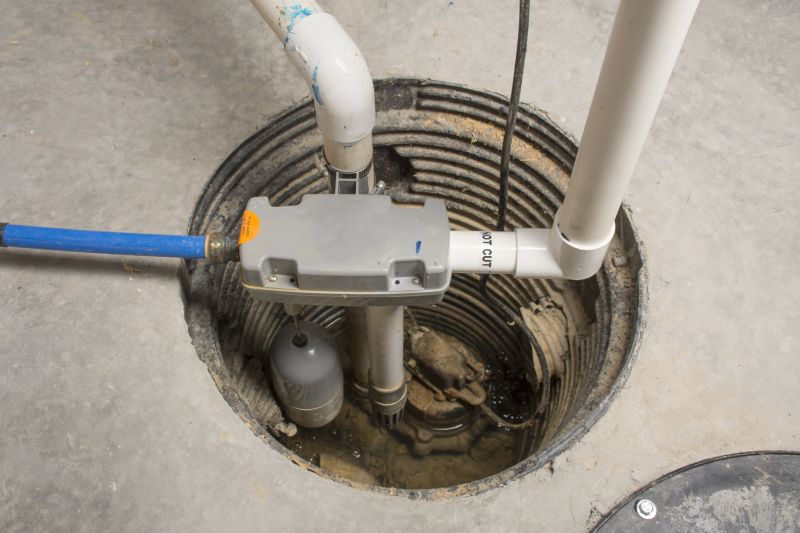
Drainage pump installation services are often needed when property owners face persistent flooding or water accumulation around their homes or commercial buildings. This can happen after heavy rain, or if the property’s existing drainage system isn’t sufficient to handle runoff effectively. Local contractors can assess drainage issues and install pumps that help move excess water away from foundations, basements, or low-lying areas, reducing the risk of water damage and structural problems.
Property owners may also seek drainage pump installation when upgrading or replacing outdated drainage systems to improve overall water management. Whether installing a new pump for a sump basin or enhancing existing drainage infrastructure, local service providers can help ensure proper setup and operation. These services are commonly called upon in situations where quick, reliable solutions are needed to protect properties from water-related issues.
What is involved in installing a drainage pump? Drainage pump installation typically includes assessing the area, selecting the appropriate pump type, and properly connecting it to the drainage system to ensure effective water removal.
How do I know if I need a drainage pump installed? A drainage pump may be needed if you experience frequent flooding, standing water, or poor drainage in your property’s lowest areas.
Are drainage pumps suitable for both residential and commercial properties? Yes, drainage pumps can be installed in various settings, including homes, businesses, and industrial sites, depending on the drainage needs.
What types of drainage pumps are commonly installed? Common types include sump pumps, sewage pumps, and effluent pumps, each designed for specific drainage applications.
How can I find local contractors for drainage pump installation? This website can help connect with local service providers experienced in drainage pump installation to compare options and get the job done.
Prevent Basement Flooding - Installing a drainage pump can help protect a basement from water accumulation during heavy rains or storms.
Improve Yard Drainage - Local contractors can set up drainage pumps to manage excess water and prevent pooling in outdoor areas.
Manage Pool Water Levels - Drainage pumps can be used to safely lower water levels in swimming pools or ponds for maintenance or winterizing.
Support Emergency Water Removal - In case of unexpected flooding, drainage pump installation offers a reliable way to remove standing water quickly.
If you are thinking about Drainage Pump Installation for a property, this guide is meant to help you understand the work, the typical project types, and how different options might fit your plans.
When you are ready, you can use the quote form on this page to share a few details about your project. From there, local pros can review the basics and respond with options that match what you have in mind.